

OVERVIEW
What Is a Fertility Evaluation?
A fertility evaluation looks at the main factors involved in conceiving — ovulation, ovarian reserve, the uterus and fallopian tubes, and sperm. It usually includes blood tests, an ultrasound and a semen analysis.
The goal is to understand what may be affecting your fertility, so you and your physician can choose the right next step — which may be no treatment at all.

WHO MAY CONSIDER TESTING
Is It Time for a Fertility Evaluation?
An evaluation can help whether you have been trying for a while, have a known condition, or simply want to plan ahead. Testing looks at both partners, because fertility concerns can affect anyone.
Trying for 12+ Months (Under 35)
Trying for 6+ Months (35 or Older)
Irregular or Absent Periods
Known Conditions Like PCOS or Endometriosis
Recurrent Pregnancy Loss
Male Fertility Concerns
Planning to Freeze Eggs
Planning Your Family Ahead

When Should You See a Fertility Specialist?
A fertility evaluation is generally recommended after 12 months of trying to conceive if you are under 35, or after 6 months if you are 35 or older. If you are over 40, an evaluation right away is often recommended.
You may want to come in sooner if you have irregular or absent periods, a known condition such as PCOS or endometriosis, a history of pregnancy loss, or a partner with known sperm concerns.
Common questionsTHE PROCESS
The Fertility Evaluation, Step by Step
Many evaluations are completed within one or two menstrual cycles, because some tests are timed to specific cycle days. Your physician will explain each test and why it is recommended.
Schedule Your EvaluationStage One
Consultation & Health History
Your first visit is a conversation. Your physician reviews your medical, menstrual and pregnancy history — and your partner’s, if applicable — along with any previous test results or treatment.
Together you talk through your goals and timeline, and your physician recommends the tests that fit your situation. Not every patient needs every test.
Stage Two
Ovarian Reserve & Hormone Testing
Blood tests and an ultrasound help show how your ovaries are working and whether ovulation is happening regularly.
Testing may include:
- AMH a blood test that helps estimate ovarian reserve
- FSH and estradiol often checked early in the cycle
- Thyroid and prolactin hormones that can affect ovulation
- Antral follicle count a transvaginal ultrasound count of small follicles
Stage Three
Uterine & Tubal Evaluation
These tests check whether the fallopian tubes are open and look at the shape of the uterine cavity, where an embryo implants.
- Hysterosalpingogram (HSG) an X-ray with contrast dye to check the tubes
- Saline sonogram an ultrasound with saline to view the uterine cavity
- Pelvic ultrasound to look at the uterus and ovaries
These tests are usually scheduled after your period and before ovulation. Some cramping during an HSG is common for a short time.
Stage Four
Semen Analysis
When a partner is providing sperm, a semen analysis is a simple, important part of the evaluation. The sample is evaluated in our andrology laboratory for count, motility and shape.
Because results can vary from sample to sample, a repeat test may be recommended. Depending on the findings, your physician may suggest further evaluation, including referral to a urologist who specializes in male reproduction.
Stage Five
Your Results & Personal Plan
Once results are in, your physician reviews them with you in detail and explains what they mean for you.
Next steps may include:
- Timed intercourse with cycle tracking
- Ovulation induction with oral medications
- IUI or IVF depending on your results and goals
- Egg freezing if you are planning for the future
Our team then helps you with scheduling, insurance benefits and a personal cost estimate.
Every plan is personal. Your care team will let you know which steps apply to you and when.
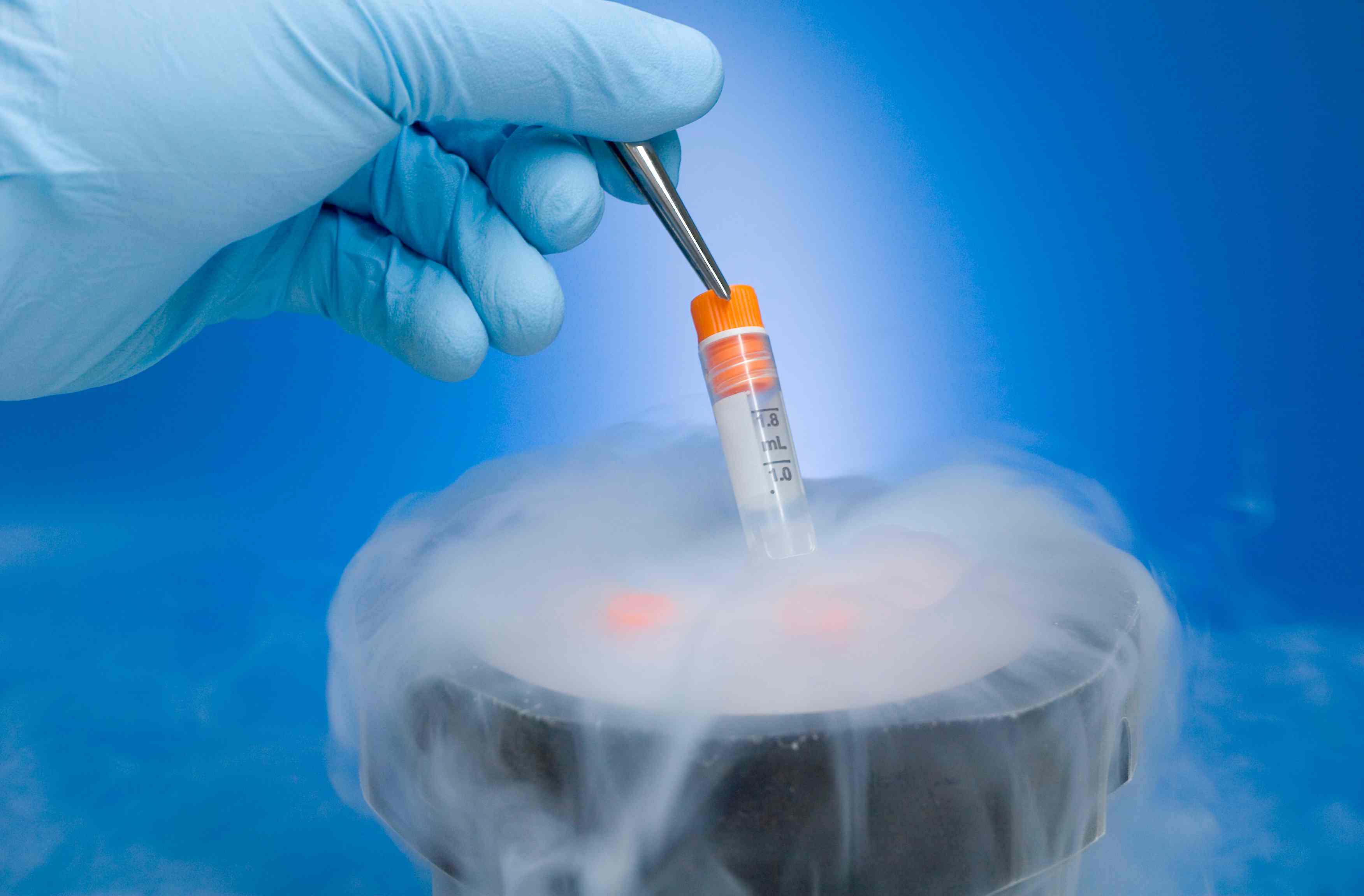
Fertility Testing Costs
Costs depend on which tests are recommended for you and your partner. We explain what each test is for and provide an estimate before testing begins.
Diagnostic testing may be covered differently from fertility treatment, so it is worth checking your benefits. Our team can help you review your benefits, and monthly payment plans are available through our financing partner, CapexMD.
Explore financing optionsYOUR CARE TEAM
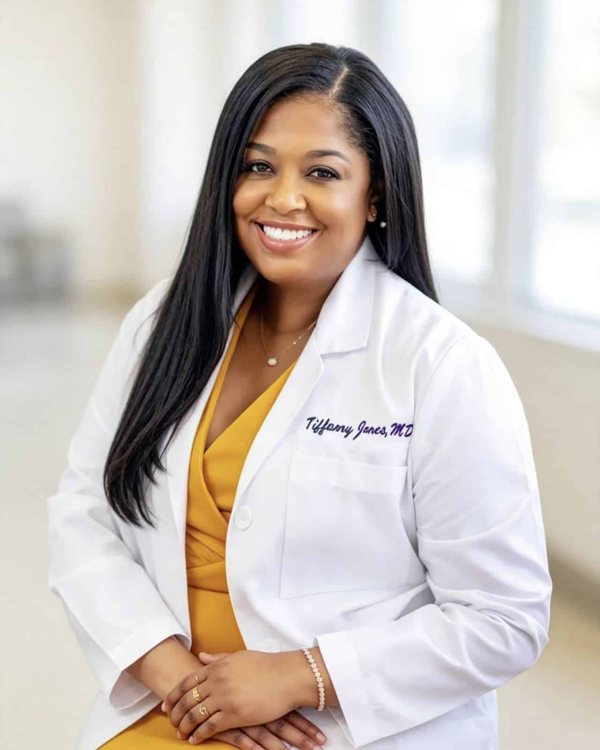
Answers From Experienced Specialists
Our physicians take time to explain every result and what it means for you. Ultrasound and semen analysis are performed onsite, so most of your evaluation happens under one roof.
Consultations are available across our Southern California locations in Torrance, Beverly Hills, Corona and Irvine, with care in English and Mandarin.
Meet our team

FAQ
Fertility Testing Questions
When should I see a fertility specialist?
Generally after 12 months of trying if you are under 35, after 6 months if you are 35 or older, and right away if you are over 40 — or sooner if you have irregular periods, a known condition or a history of pregnancy loss.
What is AMH testing?
AMH (anti-Müllerian hormone) is a blood test that helps estimate ovarian reserve — the number of eggs remaining. It does not measure egg quality and cannot predict fertility on its own, so it is interpreted alongside other results.
Does my partner need testing too?
Yes, when there is a partner providing sperm. A semen analysis is a simple, important part of the evaluation, because sperm-related factors can contribute to difficulty conceiving.
Is fertility testing painful?
Most tests are simple blood draws or ultrasounds. Tubal tests such as an HSG can cause cramping for a short time; your care team will explain how to prepare.
How long does a fertility evaluation take?
Many evaluations are completed within one or two menstrual cycles, because some tests are timed to specific cycle days.
Does insurance cover fertility testing?
Coverage varies by plan, and diagnostic testing may be covered differently from treatment. Check with your insurer about which tests are included. Our team can help you review your benefits.
Have another question? Contact our team or call +1 (424) 212-4087.


Ready to Schedule a Fertility Evaluation?
Schedule a consultation with one of our fertility specialists in Southern California.