

OVERVIEW
What Is Egg Freezing?
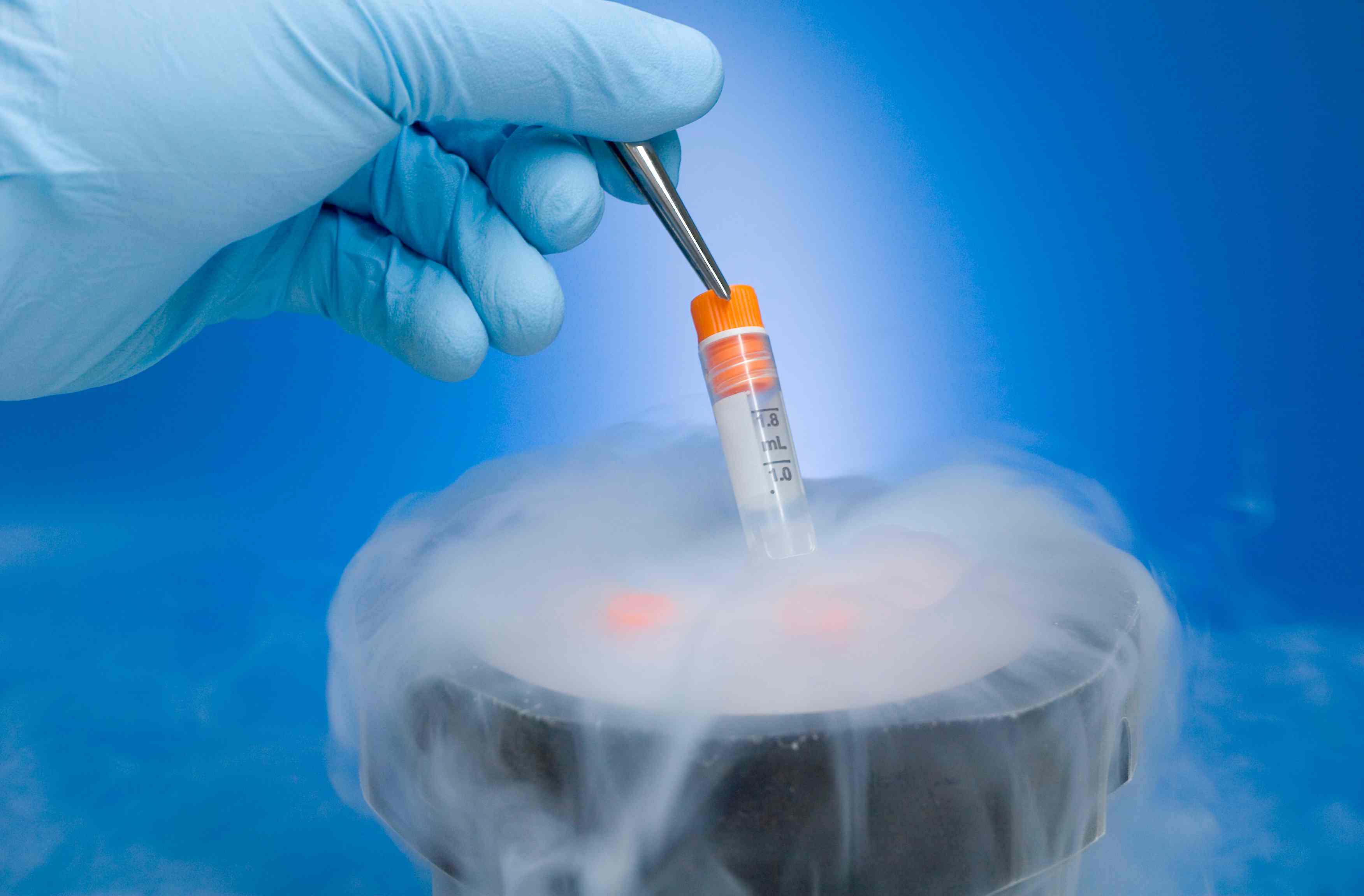
Also known as oocyte cryopreservation or egg banking, egg freezing involves retrieving and freezing eggs so they can be stored for use later.
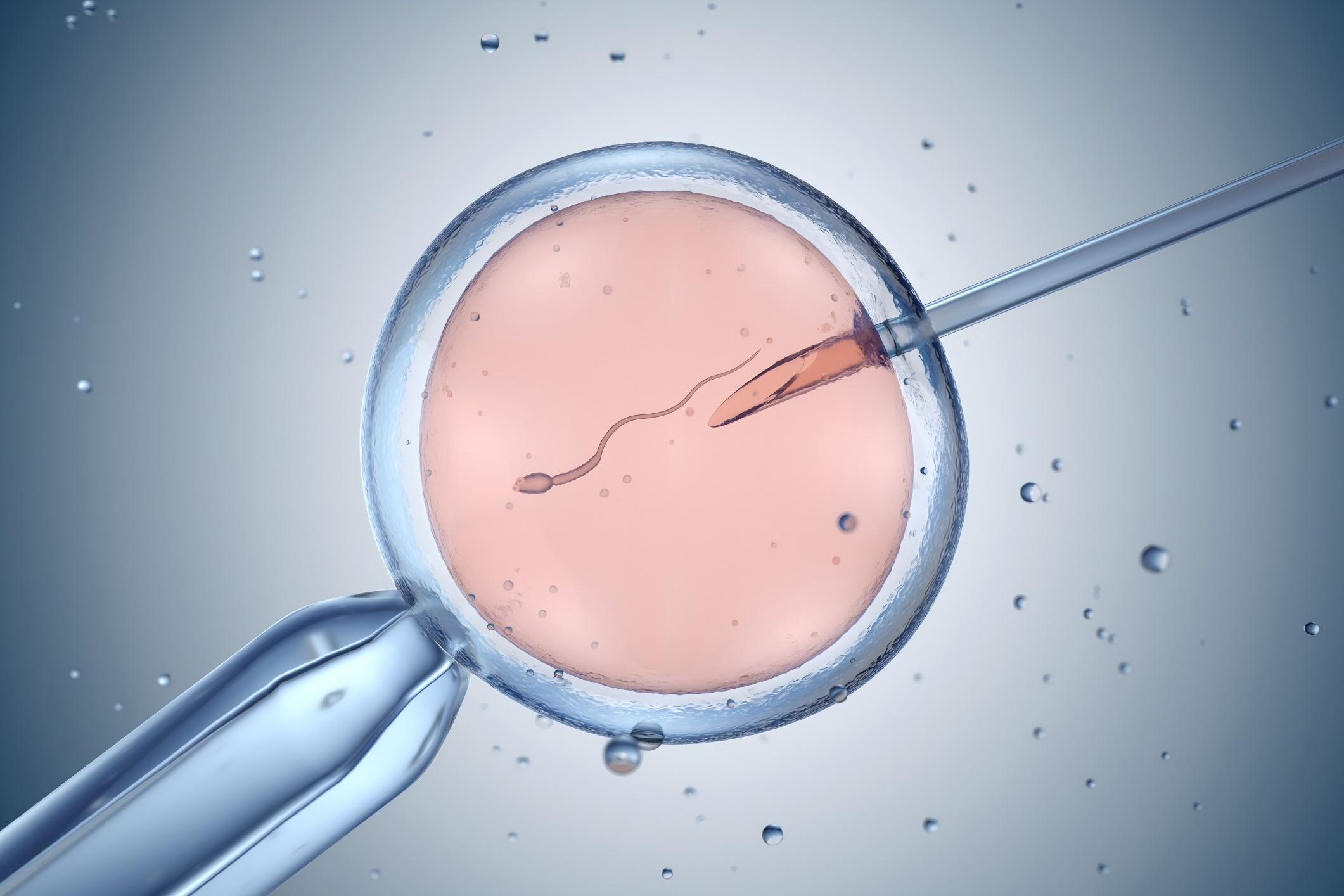
When you are ready, eggs can be thawed and fertilized in our laboratory through IVF — usually with ICSI — and an embryo transferred to the uterus. We use vitrification, a rapid-freezing technique, and store eggs in our onsite laboratory.

WHO MAY CONSIDER EGG FREEZING
Is Egg Freezing an Option for You?
People choose to freeze their eggs for many reasons — medical, personal or simply timing. Whether egg freezing is right for you depends on your age, your ovarian reserve and your family-building goals.
Before Cancer or Medical Treatment
Waiting for the Right Partner
Endometriosis or Low Ovarian Reserve
Family History of Early Menopause
Career or Education Goals
Before Gender-Affirming Care
Planning Parenthood Later in Life

What Is the Best Age to Freeze Your Eggs?
The age at which eggs are frozen is one of the most important factors for future outcomes. Egg quantity and quality generally decline with age, so many specialists suggest considering egg freezing earlier — often before the mid-30s — when possible.
That said, there is no single right age for everyone. Ovarian reserve testing, such as an AMH blood test and an ultrasound follicle count, can help you and your physician decide what makes sense for you.
Ovarian reserve testingTHE PROCESS
The Egg Freezing Process, Step by Step
An egg freezing cycle usually takes about two to three weeks from the first medication to egg retrieval. Your physician will explain each stage and give you a personal calendar.
Discuss Your Egg Freezing OptionsStage One
Consultation & Ovarian Reserve Testing
Your physician reviews your health history and goals, then orders tests to understand your ovarian reserve — an estimate of how many eggs your ovaries may respond with.
Testing usually includes:
- AMH blood test to help estimate ovarian reserve
- Antral follicle count an ultrasound count of small follicles in the ovaries
- Hormone and infectious disease labs required before treatment
Results help your physician estimate how many eggs may be retrieved and whether more than one cycle may be worth considering for your goals.
Stage Two
Ovarian Stimulation & Monitoring
For about 10–14 days, you take injectable medications at home to help several eggs mature in the same cycle. Our nurses show you how to give the injections and answer questions along the way.
Stimulation usually includes:
- Gonadotropins (FSH, LH) to stimulate egg development
- A GnRH antagonist to prevent early ovulation
- A trigger shot to complete egg maturation before retrieval
Several monitoring visits with ultrasounds and blood work let your physician adjust doses and choose the right day for your trigger shot.
Stage Three
Egg Retrieval & Recovery
About 36 hours after your trigger shot, mature eggs are collected in a brief outpatient procedure under sedation. Using ultrasound guidance, your physician retrieves eggs from the follicles with a thin needle.
You will need someone to take you home. Mild cramping and bloating are common for a few days, and most patients return to normal activities within a day or two. Your care team will tell you when you can resume exercise.
Stage Four
Vitrification & Storage
On the day of retrieval, our embryology team freezes your mature eggs by vitrification, a rapid-freezing technique, and you are told how many eggs were frozen. Eggs are stored in our onsite laboratory with ongoing monitoring of storage conditions.
When you are ready to use your eggs:
- Thawing eggs are warmed in our laboratory
- Fertilization usually by ICSI, with a partner’s or donor sperm
- Embryo development with optional genetic testing
- Embryo transfer to you or a gestational carrier
Not every egg will survive thawing, fertilize or develop into an embryo. Your physician can help you understand what to expect based on your age at freezing and the number of eggs stored.
Medications, monitoring frequency and timing depend on your individual plan.
Egg Freezing Costs
Costs depend on your medications, the number of cycles you choose and how long eggs are stored, so we provide a personal estimate after your consultation.
Some health plans cover fertility preservation, particularly before medical treatment. Our team can help you review your benefits, and monthly payment plans are available through our financing partner, CapexMD.
Explore financing optionsYOUR CARE TEAM
Experienced Specialists and a Lab You Can See
Our physicians guide every step of your egg freezing cycle — from testing to retrieval.
Consultations are available across our Southern California locations in Torrance, Beverly Hills, Corona and Irvine, with care in English and Mandarin.
Meet our team


FAQ
Egg Freezing Questions
What is the best age to freeze eggs?
There is no single best age for everyone. Because egg quantity and quality generally decline with age, freezing at a younger age is usually associated with better outcomes. Your physician can review your ovarian reserve testing and goals to help you decide.
How many eggs should I freeze?
It depends on your age, your ovarian reserve and how many children you may want. Some patients choose more than one stimulation cycle to store more eggs. Your physician will discuss a target that fits your situation.
Does egg freezing hurt?
Injections may cause mild discomfort, and some people feel bloated during stimulation. Egg retrieval is performed under sedation, and mild cramping afterward is common. Your care team will explain what to expect and how to prepare.
How long can eggs stay frozen?
Vitrified eggs can be stored for many years. Your care team will explain storage options, fees and renewals.
Does egg freezing guarantee a future pregnancy?
No. Egg freezing keeps options open, but not every egg will survive thawing, fertilize or develop into an embryo. Outcomes depend largely on age at freezing and the number of eggs stored.
Does insurance cover egg freezing?
Coverage varies by plan. Some plans cover fertility preservation before medical treatments that may affect fertility. Check with your insurer about testing, medications, retrieval and storage. Our team can help you review your benefits.
Have another question? Contact our team or call +1 (424) 212-4087.


Ready to Talk About Egg Freezing?
Schedule a consultation with one of our fertility specialists in Southern California.