

OVERVIEW
How PCOS Affects Fertility
Polycystic ovary syndrome (PCOS) can cause irregular or absent ovulation, which makes it harder to time conception. It is one of the most common causes of ovulation-related infertility.
With the right evaluation and treatment — from ovulation induction to IUI or IVF — many people with PCOS are able to conceive.

WHO MAY BENEFIT
Is PCOS Affecting Your Fertility?
PCOS is one of the most common causes of ovulation-related infertility. An evaluation can help confirm a diagnosis and guide the right treatment.
Irregular or Absent Periods
Trying to Conceive With PCOS
Signs of Higher Androgens
Diagnosed With PCOS Elsewhere
Ovulation Medications Haven’t Worked
Concerns About Medication Response

Understanding PCOS
Polycystic ovary syndrome is a common hormonal condition. A diagnosis is usually made when at least two of these are present: irregular or absent ovulation, signs of higher androgen levels, and polycystic-appearing ovaries on ultrasound.
PCOS can affect ovulation, and it is often linked with insulin resistance. With the right treatment, many people with PCOS are able to conceive.
Fertility testingTHE PROCESS
PCOS Fertility Care, Step by Step
Treatment for PCOS usually starts with the least invasive option that fits your situation and moves forward only if needed. Your physician will tailor each step to how your body responds.
Discuss Your PCOS CareStage One
Evaluation & Diagnosis
Your physician reviews your cycles and symptoms and may order blood work and a pelvic ultrasound. A PCOS diagnosis is usually made when at least two of these are present:
- Irregular or absent ovulation often shown by irregular periods
- Signs of higher androgen levels such as acne or excess hair growth, or elevated lab results
- Polycystic-appearing ovaries seen on ultrasound
Other conditions that can cause similar symptoms, such as thyroid or prolactin disorders, are ruled out. Partner testing, such as a semen analysis, is usually recommended too.
Stage Two
Metabolic & Lifestyle Support
PCOS is often linked with insulin resistance. For some patients, nutrition, physical activity and, where appropriate, medication for insulin resistance can help ovulation become more regular and support overall health before pregnancy.
Your physician will discuss whether these steps apply to you; they are not required before every treatment.
Stage Three
Ovulation Induction
Oral medications such as letrozole are often used to help the ovaries release an egg. Ultrasounds and blood work check your response, and timed intercourse or IUI is planned around ovulation.
Stage Four
IUI or IVF When Needed
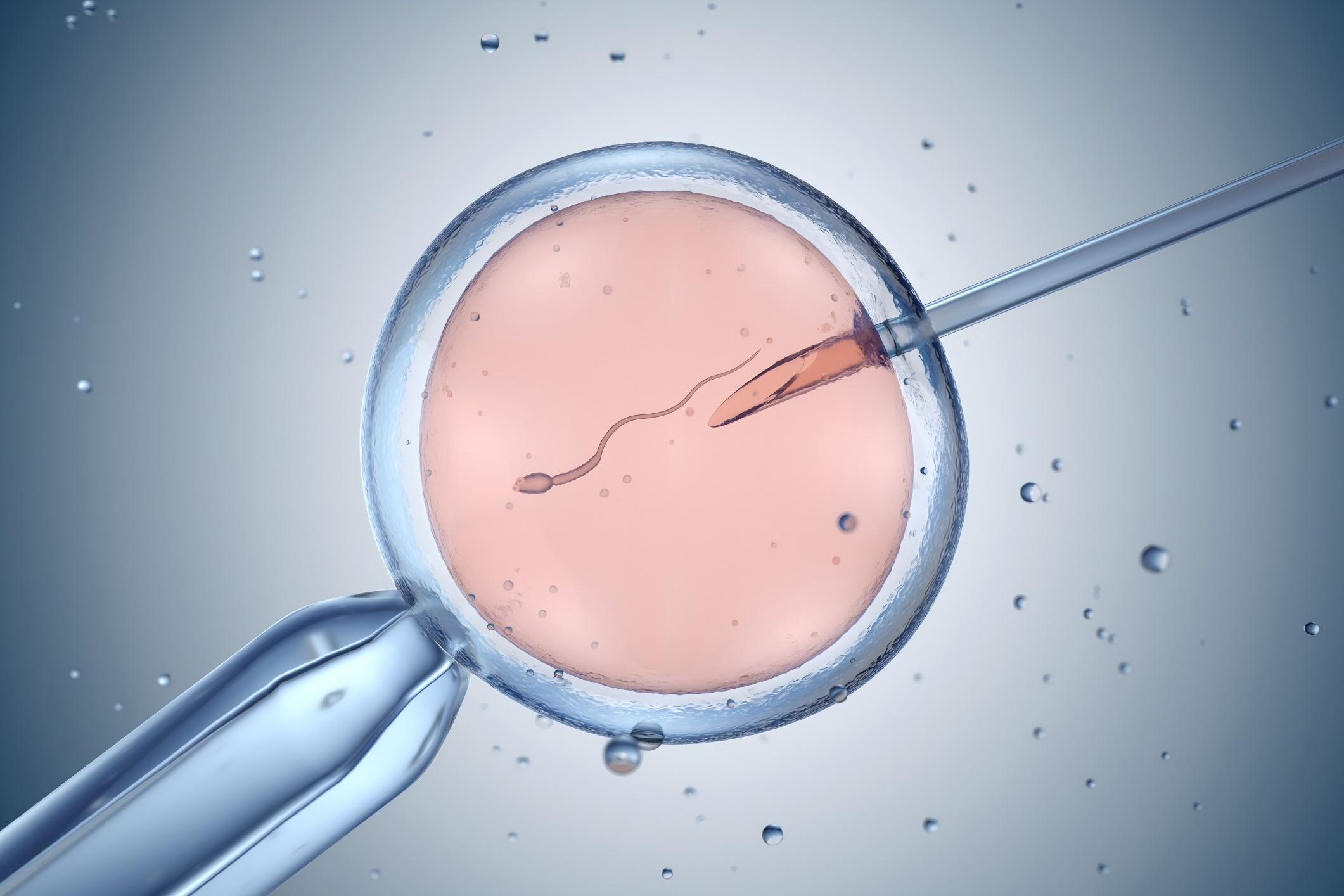
If ovulation induction is not successful after several cycles, or if there are other factors, IUI with injectable medications or IVF may be considered.
For IVF, protocols designed to lower OHSS risk are often used — such as an antagonist protocol, a GnRH agonist trigger and freezing all embryos for a later transfer.
Every plan is personal. Your care team will let you know which steps apply to you and when.

PCOS Care Costs
Costs depend on the treatment that fits you — from ovulation induction to IUI or IVF — and on medications and monitoring. We provide a personal estimate after your consultation.
Some plans cover diagnosis and ovulation induction. Our team can help you review your benefits, and monthly payment plans are available through our financing partner, CapexMD.
Explore financing optionsYOUR CARE TEAM
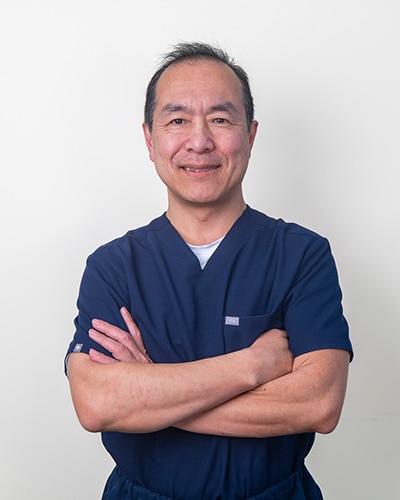
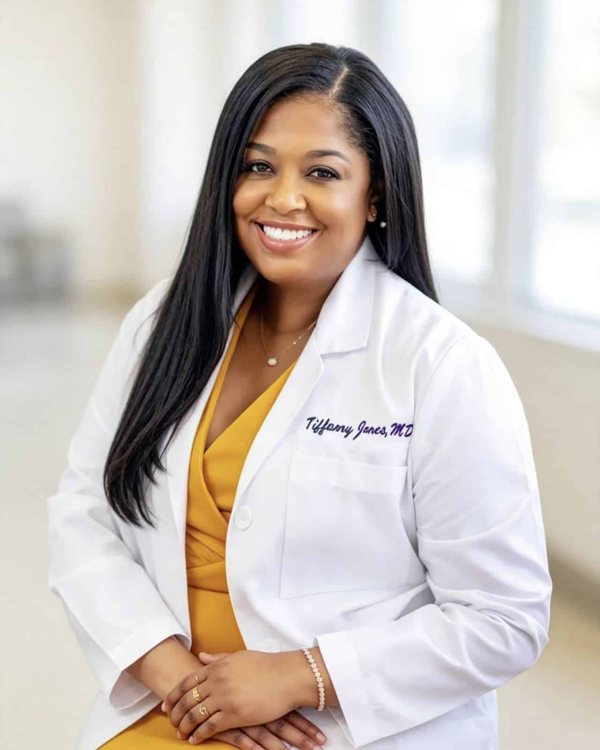
Personalized Care From Experienced Specialists
Our physicians tailor each step to how your body responds, with close monitoring throughout. Embryology work is done in our onsite, open-concept IVF laboratory, led by a director who previously led a lab ranked #1 in the US for IVF success.
Consultations are available across our Southern California locations in Torrance, Beverly Hills, Corona and Irvine, with care in English and Mandarin.
Meet our team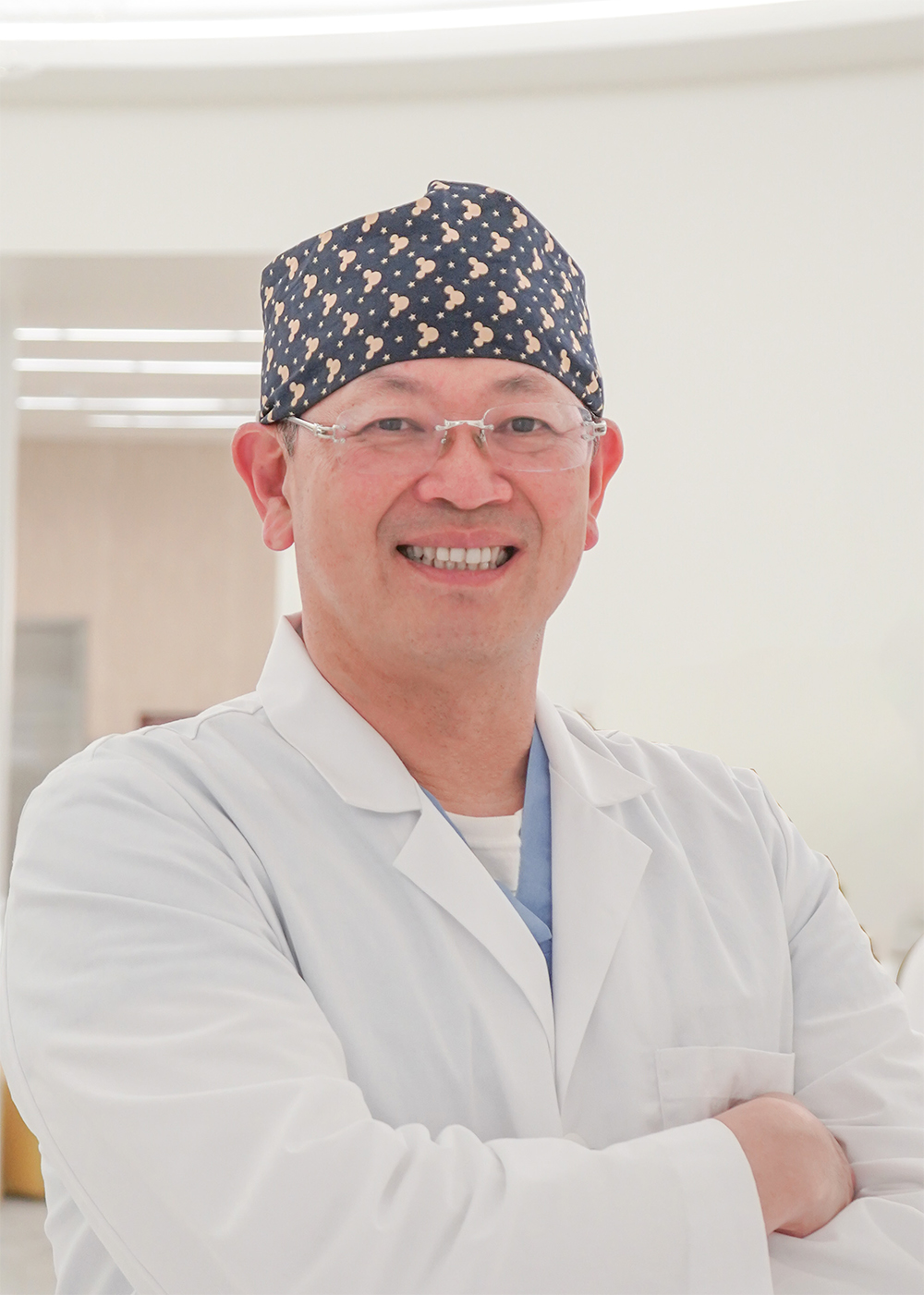
FAQ
PCOS Questions
Can I get pregnant with PCOS?
Yes, many people with PCOS conceive, sometimes with treatment to help ovulation. Your physician will recommend options based on your evaluation.
Does weight loss help with PCOS?
For some people with higher body weight, modest weight loss may help ovulation become more regular. Your care team can discuss whether this applies to you.
What is ovulation induction?
Ovulation induction uses medications, often oral medications such as letrozole, to help the ovaries release an egg. Monitoring checks your response and helps with timing.
What is OHSS?
Ovarian hyperstimulation syndrome is a reaction to fertility medications that can cause the ovaries to swell. People with PCOS may be at higher risk, so dosing and monitoring are adjusted carefully.
Will I need IVF?
Not necessarily. Many patients start with ovulation induction. IVF may be considered if other treatments are not successful or if there are additional factors.
Does insurance cover PCOS treatment?
Coverage varies by plan. Check with your insurer about diagnostic testing, ovulation induction, IUI and IVF. Our team can help you review your benefits.
Have another question? Contact our team or call +1 (424) 212-4087.

Ready to Talk About PCOS Care?
Schedule a consultation with one of our fertility specialists in Southern California.