

OVERVIEW
Inclusive Care for Every Family
LGBTQ+ individuals and couples build families in many ways — with donor sperm, donor eggs, reciprocal IVF or a gestational carrier. You do not need an infertility diagnosis to begin care with us.
Our physicians and third-party coordinator help you understand each option, the screening and legal steps involved, and the path that fits your goals.

PATHS TO PARENTHOOD
Which Path Is Right for You?
There is no single way to build an LGBTQ+ family. Your physician and coordinator will help you understand the options that fit your goals.
Female Couples Using Donor Sperm
Reciprocal IVF
Male Couples With an Egg Donor & Carrier
Single Parents by Choice
Fertility Preservation Before Transition
Known or Anonymous Donors

What Is Reciprocal IVF?
Reciprocal IVF lets both partners take part in the pregnancy. One partner provides the eggs, which are fertilized with donor sperm in our laboratory, and the other partner carries the pregnancy.
It follows the same steps as IVF, with additional planning to coordinate both partners’ cycles. Your physician will discuss whether it fits your goals and health history.
Donor eggs & spermTHE PROCESS
LGBTQ+ Family Building, Step by Step
Every path is different, and some involve donors, agencies and legal professionals alongside our team. Your physician and third-party coordinator will guide you through each stage.
Talk About Your PathStage One
Consultation & Choosing Your Path
Your physician reviews your health history and goals, recommends any testing and explains the paths that may fit your family. You do not need an infertility diagnosis to begin.
Common paths include:
- Donor sperm IUI or IVF for female couples and single women
- Reciprocal IVF one partner’s eggs, the other partner carries the pregnancy
- IVF with an egg donor and gestational carrier for male couples and single men
- Fertility preservation egg or sperm freezing, including before transition
Stage Two
Donor & Carrier Selection
If your path includes a donor or gestational carrier, our third-party coordinator helps you work with sperm banks, egg donor agencies or surrogacy agencies.
Known donors — such as a friend or relative — are also possible, with additional screening and agreements. Donors and carriers complete medical, genetic and infectious disease screening following FDA requirements and professional guidelines.
Stage Three
Counseling & Legal Steps
Third-party reproduction usually involves counseling for everyone involved and legal agreements before treatment begins.
Stage Four
Treatment
Treatment follows the path you choose — IUI timed to ovulation, or IVF with eggs fertilized in our onsite laboratory. In reciprocal IVF, both partners’ cycles are coordinated so that embryos created from one partner’s eggs can be transferred to the other.
With a gestational carrier, embryos are usually frozen and transferred in a later cycle once the carrier’s uterus is prepared.
Stage Five
Pregnancy & Beyond
After a positive pregnancy test, our team monitors early pregnancy before care transitions to an OB. If you have frozen embryos remaining, your physician can talk with you about future family-building plans.
Every plan is personal. Your care team will let you know which steps apply to you and when.

Family Building Costs
Costs depend on your path — such as donor sperm, donor eggs, IVF or a gestational carrier — and include services outside our clinic, like agencies and legal fees. We provide a personal estimate for the parts of care we provide.
Some plans cover treatment without an infertility diagnosis; others do not. Our team can help you review your benefits, and monthly payment plans are available through our financing partner, CapexMD.
Explore financing optionsYOUR CARE TEAM
A Welcoming, Experienced Team
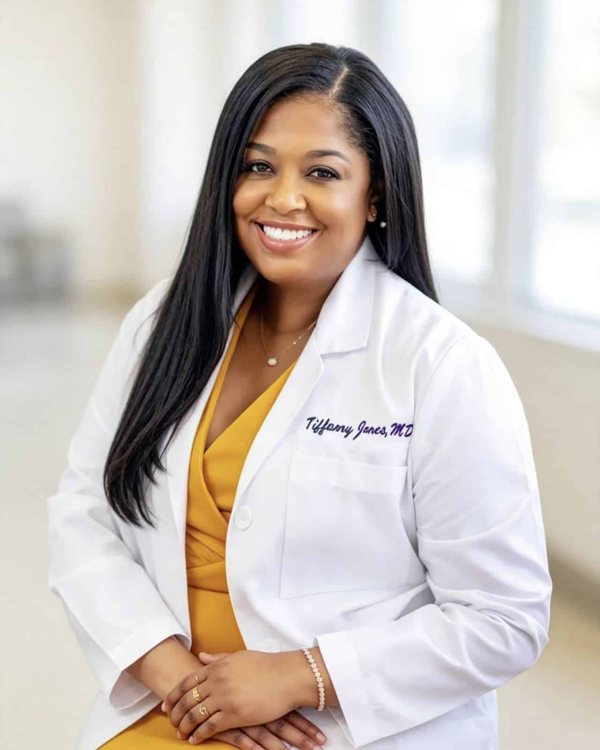
Our physicians and third-party coordinator support LGBTQ+ patients at every step, from donor selection to pregnancy. Embryology work is done in our onsite, open-concept IVF laboratory, led by a director who previously led a lab ranked #1 in the US for IVF success.
Consultations are available across our Southern California locations in Torrance, Beverly Hills, Corona and Irvine, with care in English and Mandarin.
Meet our team

FAQ
LGBTQ+ Family Building Questions
Do we need an infertility diagnosis to start?
No. You do not need an infertility diagnosis to begin care with us. Insurance coverage, however, may depend on your plan’s rules.
What is reciprocal IVF?
One partner provides the eggs, which are fertilized with donor sperm in our laboratory, and the other partner carries the pregnancy.
How does surrogacy work for male couples?
Embryos are created through IVF using eggs from an egg donor and sperm from one or both partners, and an embryo is transferred to a gestational carrier. Our coordinator helps you work with agencies and legal professionals.
Should we use a known or anonymous donor?
Both are options. Known donors require additional screening and legal agreements. Your physician and coordinator will explain what each involves.
Can I preserve fertility before transitioning?
Yes. Egg or sperm freezing before starting hormone therapy or surgery can keep future options open. Talk with your physician about timing.
Does insurance cover LGBTQ+ family building?
Coverage varies widely by plan. Check with your insurer about treatment, donor services and surrogacy-related care. Our team can help you review your benefits.
Have another question? Contact our team or call +1 (424) 212-4087.



Ready to Talk About Your Path?
Schedule a consultation with one of our fertility specialists in Southern California.