

OVERVIEW
What Is IVF?
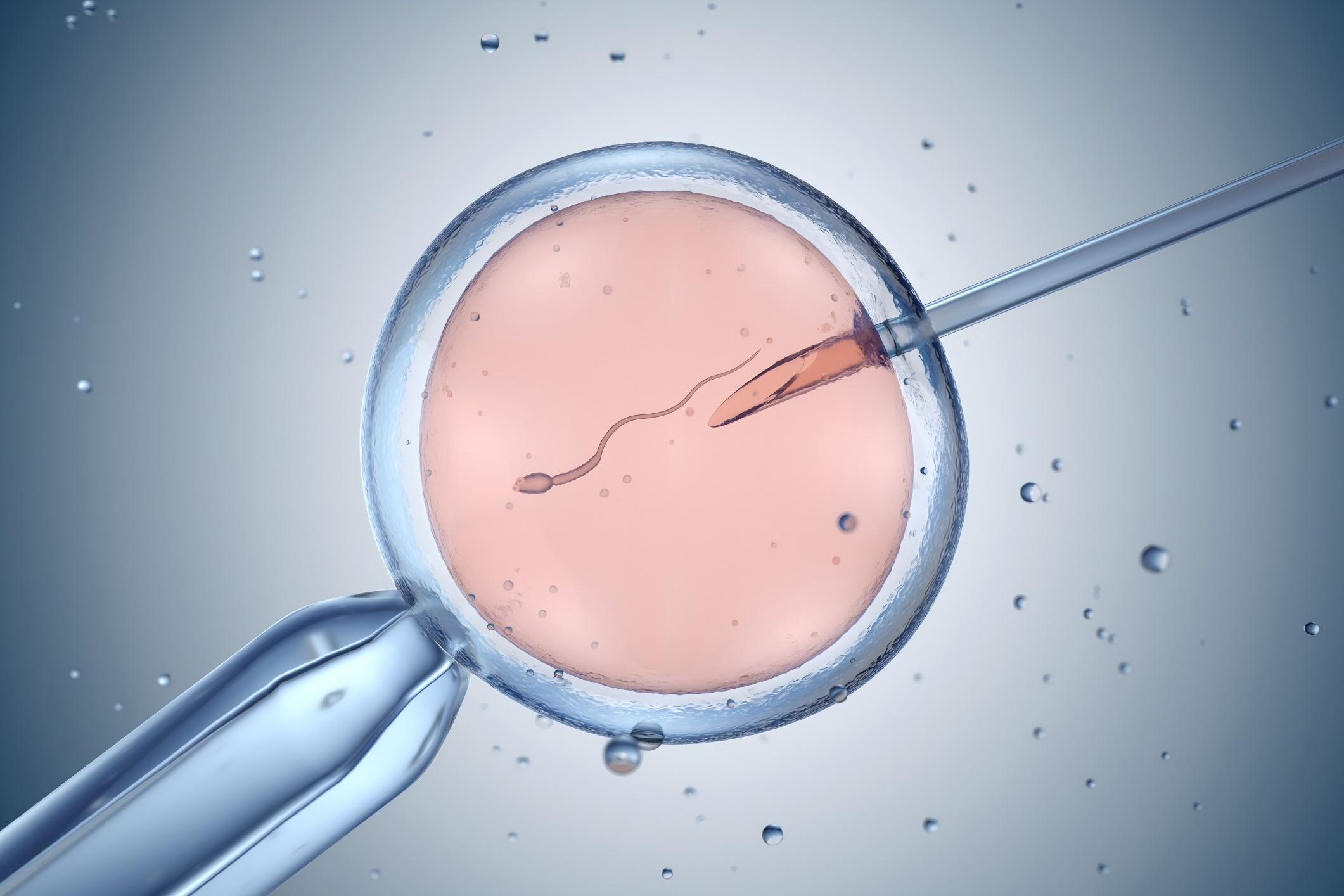
In vitro fertilization (IVF) is a treatment in which eggs are retrieved from the ovaries and fertilized with sperm in our laboratory. A resulting embryo is transferred to the uterus, or frozen for a later transfer.
IVF has helped families around the world since 1978. Because every patient’s history is different, your physician tailors medications, timing and laboratory techniques to you.
WHO MAY CONSIDER IVF
Is IVF an Option for You?
Your physician may recommend IVF in many situations. Whether IVF is appropriate depends on your medical history, test results and family-building goals.
Blocked or Absent Fallopian Tubes
Low Sperm Count or Motility
Unexplained Infertility
Previous Treatments Not Successful
Endometriosis or PCOS
Genetic Considerations
LGBTQ+ Family Building
Using Donor Eggs or a Carrier
An Open-Concept Lab You Can See
Our onsite IVF laboratory uses smart glass, so you can see the space where your eggs, sperm and embryos are cared for. It is led by an experienced embryology team whose director previously led a #1 US-ranked IVF lab team (2016).
- In-house embryology & andrology — every step under one roof
- Conventional IVF & ICSI — the fertilization method chosen for you
- Day 3 or Day 5 transfer — with optional embryo testing
- Mild-Stim protocol — gentler stimulation developed by Dr. Zitao Liu
- AI-assisted tools — considered where appropriate
THE PROCESS
The IVF Process, Step by Step
A typical IVF cycle has four main stages. Your physician will explain each one and give you a personal calendar.
Discuss Your IVF OptionsStage One
Ovarian Stimulation
Ovarian stimulation encourages several follicles — each containing an egg — to mature in the same cycle, rather than the single egg that usually develops each month. It typically lasts about 10–14 days.
IVF cycles usually include several medications, such as:
- Gonadotropins (FSH, LH) to stimulate egg development
- GnRH antagonists or agonists to prevent early ovulation
- A trigger shot (such as hCG) to complete egg maturation
- Progesterone to support the uterine lining around embryo transfer
Your response is monitored closely with ultrasounds and blood tests, so your physician can adjust doses and timing. Where appropriate, a milder approach such as our Mild-Stim protocol, developed by Dr. Zitao Liu, may be considered.
Stage Two
Egg Retrieval
About 36 hours after the trigger shot, mature eggs are collected in a brief outpatient procedure. Using ultrasound guidance, your physician passes a thin needle through the vaginal wall to retrieve eggs from the follicles.
The procedure is done under sedation, and most patients go home the same day. Mild cramping or bloating afterward is common. On the same day, a sperm sample is collected and prepared in our andrology laboratory — frozen or donor sperm can also be used.
Stage Three
Fertilization & Embryo Development
In our onsite laboratory, eggs and sperm are combined in one of two ways:
- Conventional IVF — eggs and prepared sperm are placed together in a culture dish
- ICSI — an embryologist injects a single sperm into each mature egg, often used when sperm count or motility is low
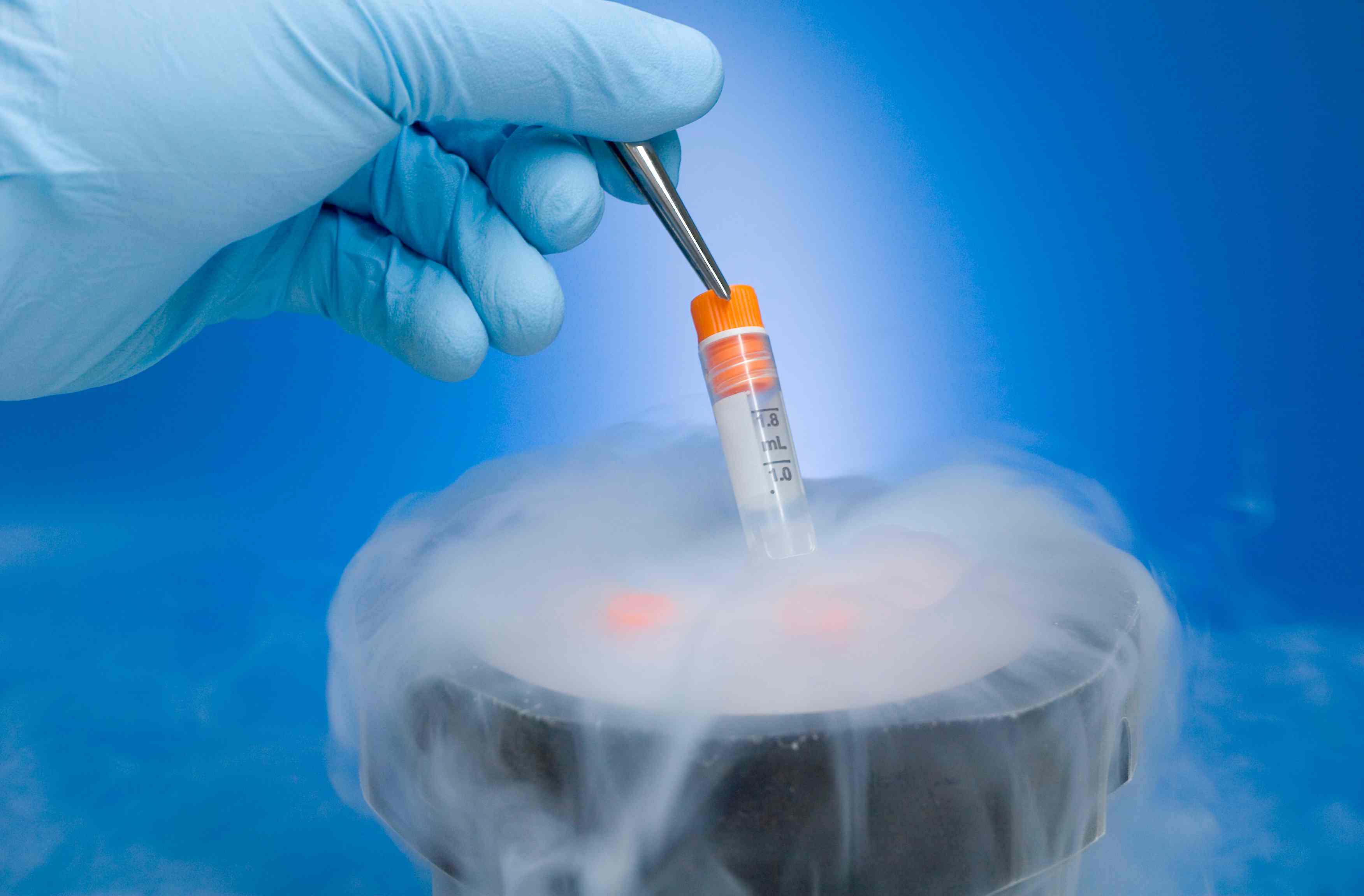
Fertilization is checked the next day. Embryos then grow in our laboratory for 3–5 days, and optional preimplantation genetic testing (PGT) may be discussed. High-quality embryos that are not transferred can be frozen by vitrification for future use.
Stage Four
Embryo Transfer & Pregnancy Test
A selected embryo is placed in the uterus with a thin, flexible catheter under ultrasound guidance. The transfer takes only a few minutes and usually does not require anesthesia. It can happen in the same cycle (fresh) or in a later frozen embryo transfer cycle.
Single embryo transfer is often recommended to lower the risk of multiple pregnancy. Progesterone support usually continues after transfer, and a blood pregnancy test is scheduled by your care team.
An IVF cycle typically takes about one month. Medications, timing and lab techniques depend on your individual plan.

IVF Costs
Every treatment plan is different, so costs depend on your medications, laboratory services such as ICSI or embryo testing, and whether embryos are frozen for later use. We provide a personal estimate after your consultation.
Coverage for IVF varies by plan, including age caps, cycle limits and prior authorization. Our team can help you review your benefits, and monthly payment plans are available through our financing partner, CapexMD.
Explore financing optionsYOUR CARE TEAM
Experienced Specialists Guiding Every Step
Our physicians monitor every stage of your IVF cycle and adjust your plan as needed.
Consultations are available across our Southern California locations in Torrance, Beverly Hills, Corona and Irvine, with care in English and Mandarin.
Meet our team


FAQ
IVF Questions
Does IVF hurt?
Most people describe discomfort rather than pain. Injections can cause mild soreness or bruising, and bloating is common during stimulation. Egg retrieval is done under sedation, mild cramping afterward is common, and embryo transfer usually feels similar to a Pap test.
How long does an IVF cycle take?
An IVF cycle typically takes about one month, starting on day one of your period. Egg retrieval usually happens around days 12–14, embryo transfer follows 3–5 days later, and a pregnancy test is scheduled about two weeks after retrieval.
What is the difference between a Day 3 and Day 5 transfer?
The timing depends on the number and quality of embryos, your individual characteristics and laboratory practices. Your physician and embryology team will recommend the approach that fits your situation.
What if the eggs don’t fertilize?
Not every egg fertilizes. If fertilization is low or does not occur, your physician and embryology team will review the cycle and may recommend ICSI — injecting a single sperm into each egg — in a future cycle. In some cases, donor sperm or donor eggs may be considered.
What if an IVF cycle is not successful?
Your physician will review your cycle in detail, including your response to medication and how embryos developed, and discuss whether changes to your protocol, lab techniques or other options may help.
Does insurance cover IVF?
Coverage varies by plan. Under California law (SB 729), many fully insured large-group plans must cover IVF starting in 2026, including up to three egg retrievals; self-funded and other plans may differ. Check with your insurer about limits and prior authorization. Our team can help you review your benefits.
Have another question? Contact our team or call +1 (424) 212-4087.


Ready to Talk About IVF?
Schedule a consultation with one of our fertility specialists in Southern California.