

OVERVIEW
What Is IUI?
Intrauterine insemination (IUI) places washed, concentrated sperm directly into the uterus around the time of ovulation. This shortens the distance sperm need to travel, and fertilization happens naturally inside the body.
IUI can be done with a partner’s or donor sperm, in a natural cycle or with medications that support ovulation. Your physician will recommend the approach that fits your history.
WHO MAY CONSIDER IUI
Is IUI an Option for You?
IUI may be considered in certain fertility situations, including the use of donor sperm, some ovulation-related concerns, or selected cases of unexplained infertility. Whether IUI is appropriate depends on your medical history, fertility evaluation and treatment goals.
Some Ovulation-Related Concerns
Selected Cases of Unexplained Infertility
Mild Sperm Quality Concerns
Cervical Factors
Single Women Using Donor Sperm
LGBTQ+ Couples Using Donor Sperm
Looking for a Less Invasive First Step

IUI or IVF?
With IUI, prepared sperm is placed in the uterus and fertilization happens inside the body. It usually involves fewer medications and procedures than IVF, which is why it is often considered as a first step.
IUI requires at least one open fallopian tube and sperm that can be prepared for insemination. IVF, where eggs are fertilized in our laboratory, may be recommended for blocked tubes, more significant sperm concerns, or after several unsuccessful IUI cycles.
Learn about IVFTHE PROCESS
The IUI Process, Step by Step
An IUI cycle follows your menstrual cycle and usually takes about two to four weeks from the start of your period to a pregnancy test. Your physician will explain each stage and give you a personal calendar.
Discuss Your IUI OptionsStage One
Before Your IUI Cycle
Before starting, your physician confirms that IUI is a good fit for your situation and that nothing needs to be addressed first.
Testing usually includes:
- Tubal evaluation (HSG or saline sonogram) to confirm at least one fallopian tube is open
- Semen analysis or a review of donor sperm records
- Ovarian reserve and hormone tests such as AMH and cycle-day labs
- Infectious disease screening required before insemination
If you are using donor sperm, our team helps you coordinate shipping and storage with a sperm bank before your cycle begins.
Stage Two
Ovulation Monitoring & Medications
IUI is timed closely to ovulation. Some patients use their natural cycle; others take medications to support ovulation or develop more than one follicle.
Depending on your plan, this may include:
- Oral medications such as letrozole or clomiphene to support ovulation
- Injectable gonadotropins in selected cases, with closer monitoring
- A trigger shot (hCG) to time ovulation precisely
Ultrasounds and blood work track follicle growth, so your insemination can be scheduled at the right time — usually about a day to a day and a half after the trigger shot or a detected LH surge.
Stage Three
The IUI Procedure
On the day of your IUI, a sperm sample is collected — or donor sperm is thawed — and washed in our andrology laboratory. Washing separates the most active sperm from the seminal fluid and concentrates them for insemination.
Your physician then places the prepared sperm into the uterus with a thin, flexible catheter. The procedure takes only a few minutes and usually feels similar to a Pap test. You can rest briefly afterward and return to normal activities the same day.
Stage Four
After Your IUI
Some patients take progesterone to support the uterine lining. Light spotting or mild cramping can be normal. A pregnancy test is scheduled about two weeks after your IUI.
If the cycle is not successful, your physician will review it with you. Many patients try a few IUI cycles; if pregnancy has not occurred, your physician may discuss adjusting the plan or moving to IVF.
Medications, monitoring frequency and testing times depend on your individual treatment plan.

IUI Costs
IUI is typically less involved than IVF. Costs depend on whether medications are used, how often you are monitored and whether donor sperm is needed. We provide a personal estimate after your consultation.
Some plans cover IUI or the testing that comes before it. Our team can help you review your benefits, and monthly payment plans are available through our financing partner, CapexMD.
Explore financing optionsYOUR CARE TEAM
Personal Care From Experienced Specialists
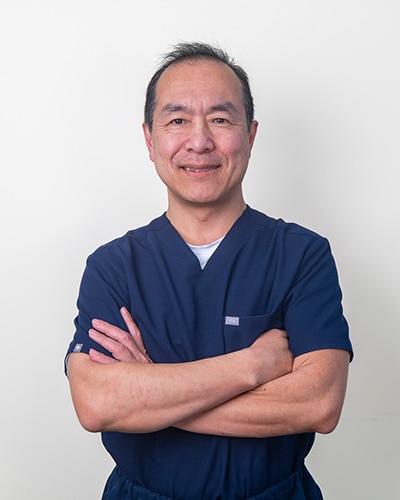
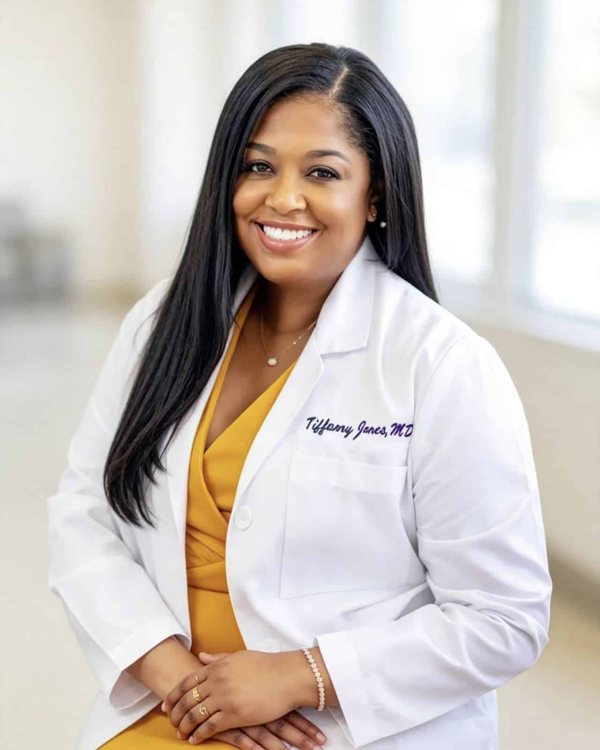
Our physicians time each IUI cycle carefully and adjust your plan as you go. Sperm preparation takes place in our onsite andrology laboratory, part of the same team that runs our IVF lab.
Consultations are available across our Southern California locations in Torrance, Beverly Hills, Corona and Irvine, with care in English and Mandarin.
Meet our team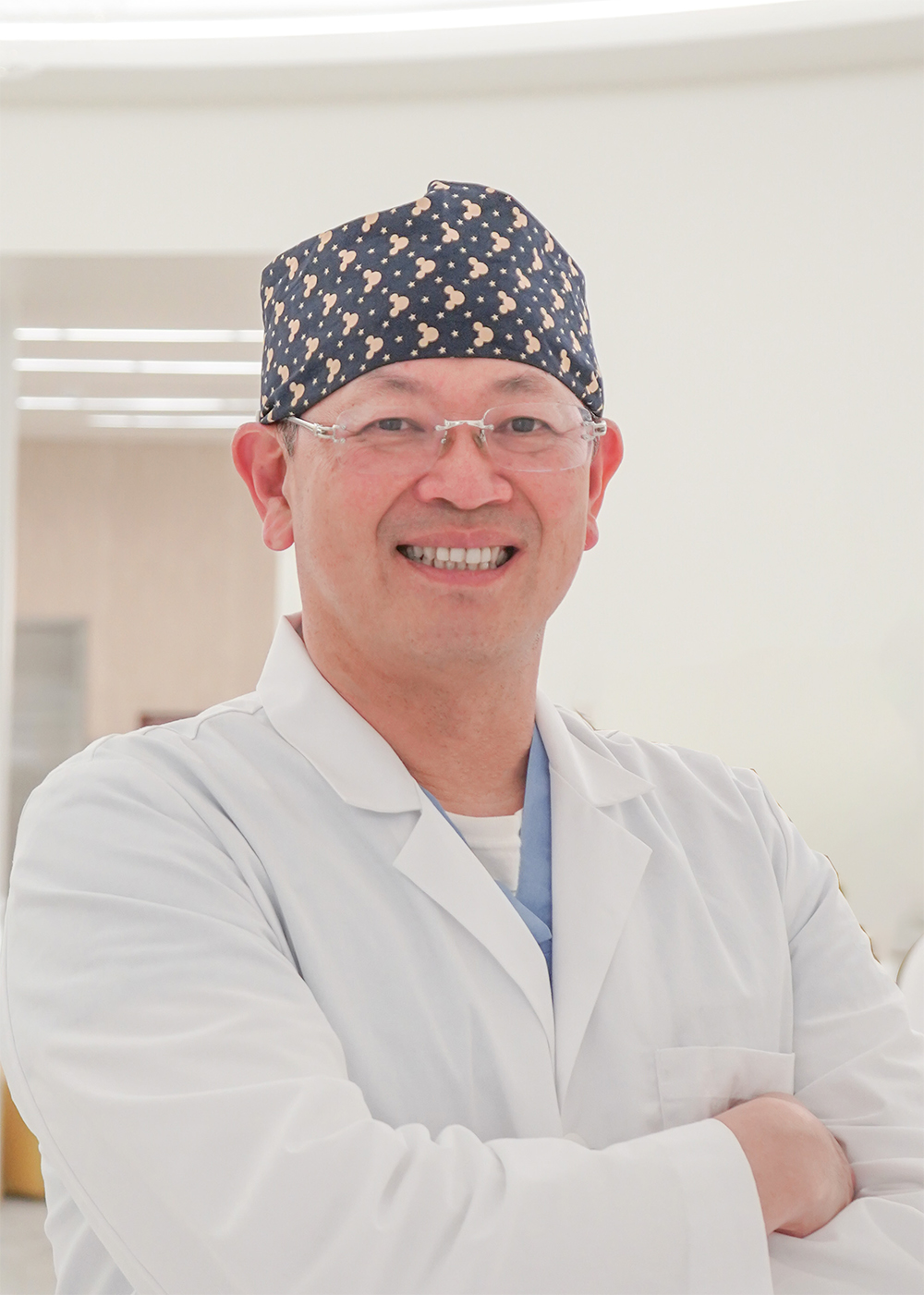
FAQ
IUI Questions
Does IUI hurt?
Most people feel little or no pain. The procedure takes a few minutes and is often compared to a Pap test; some mild cramping afterward is possible.
How is IUI different from IVF?
With IUI, sperm is placed in the uterus and fertilization happens inside the body. With IVF, eggs are retrieved and fertilized in our laboratory, and an embryo is transferred to the uterus.
How many IUI cycles should I try?
It depends on your age, diagnosis and goals. Your physician will review each cycle with you and discuss when it may make sense to consider other options, such as IVF.
Can IUI be done with donor sperm?
Yes. IUI is commonly used with donor sperm by single women and LGBTQ+ couples. Donor sperm comes from screened sperm banks and is thawed and prepared in our lab.
Do I need fertility medications for IUI?
Not always. Some IUI cycles follow your natural ovulation, while others use oral or injectable medications to support ovulation. Your physician will recommend what fits you.
Does insurance cover IUI?
Coverage varies by plan. Check with your insurer about diagnostic testing, ovulation induction, IUI and any limits or prior authorization requirements. Our team can help you review your benefits.
Have another question? Contact our team or call +1 (424) 212-4087.


Ready to Talk About IUI?
Schedule a consultation with one of our fertility specialists in Southern California.