

OVERVIEW
What Is a Frozen Embryo Transfer?
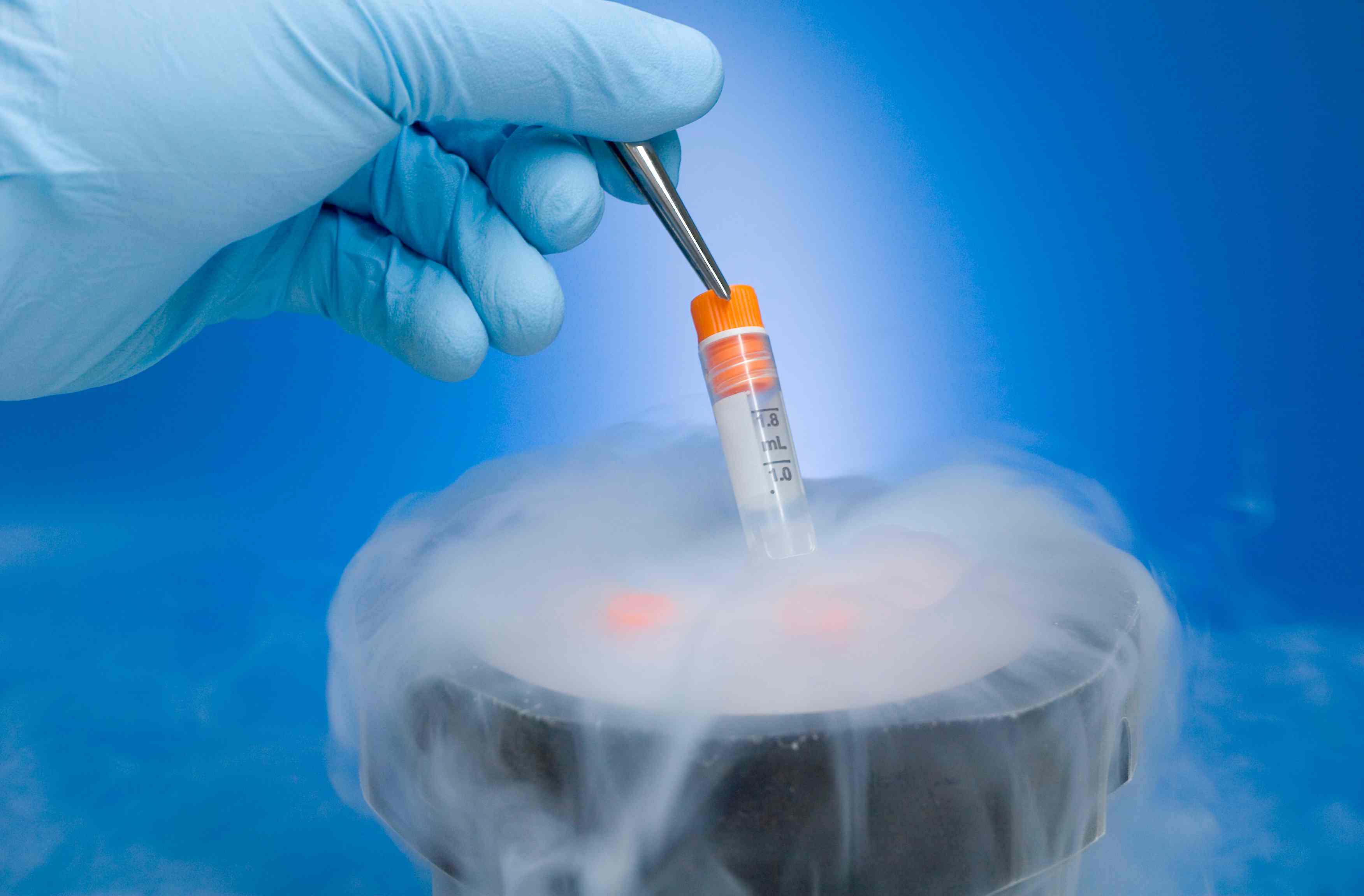
In a frozen embryo transfer (FET), an embryo created in an earlier IVF cycle and preserved by vitrification is warmed in our laboratory and transferred to the uterus.
Because the transfer happens in a separate cycle, the uterine lining can be prepared on its own timeline — with a natural or medicated approach chosen for you.
WHO MAY CONSIDER FET
Is Frozen Embryo Transfer an Option for You?
Many patients transfer frozen embryos rather than fresh ones. Your physician will recommend the approach that fits your history, your embryos and your goals.
Extra Embryos From a Previous IVF Cycle
Embryos That Have Had Genetic Testing
A “Freeze-All” Cycle for Medical Reasons
Wanting More Flexible Timing
Using Donor Embryos
Working With a Gestational Carrier
Natural or Medicated FET?
In a natural-cycle FET, your care team tracks your own ovulation and times the transfer to it, often with few or no medications.
In a medicated (programmed) FET, estrogen prepares the uterine lining and progesterone is added before transfer, which gives more control over scheduling. Your physician will recommend the approach that fits your cycle and history.
Visit our labTHE PROCESS
The Frozen Embryo Transfer Process, Step by Step
A frozen embryo transfer cycle usually takes about two to six weeks, depending on the approach. Your physician will choose a natural or medicated plan and give you a personal calendar.
Discuss Your FET OptionsStage One
Planning Your Transfer
Your physician reviews your frozen embryos, any genetic testing results and your health history, and recommends how to prepare your uterus.
There are two main approaches:
- Natural cycle the transfer is timed to your own ovulation, with few or no medications
- Medicated (programmed) cycle estrogen and progesterone prepare the lining, allowing more control over scheduling
Some testing — such as a saline sonogram to check the uterine cavity — may be recommended before your transfer cycle begins.
Stage Two
Preparing the Uterine Lining
In a medicated cycle, estrogen — as pills, patches or injections — helps the uterine lining thicken over about two weeks. In a natural cycle, your body prepares the lining on its own as you approach ovulation.
Ultrasounds and blood tests check the thickness of the lining and your hormone levels. When the lining is ready, progesterone is started — or ovulation is confirmed — to align the lining with the embryo’s stage of development.
Stage Three
Embryo Warming & Transfer
On the day of transfer, our embryologists warm your vitrified embryo and confirm it is ready. Most vitrified embryos survive warming, but not every embryo does; if this happens, your care team will let you know right away.
The embryo is placed in the uterus with a thin, flexible catheter under ultrasound guidance. The transfer takes only a few minutes and usually does not require anesthesia.
Stage Four
After Your Transfer
Progesterone support usually continues after transfer, and you can return to light daily activities. A blood pregnancy test is scheduled by your care team.
If the test is positive, our team monitors early pregnancy with blood work and ultrasounds before your care transitions to your OB. If it is not, your physician will review the cycle with you and discuss next steps.
Every plan is personal. Your care team will let you know which steps apply to you and when.

Frozen Embryo Transfer Costs
Costs depend on whether a natural or medicated cycle is used, the monitoring involved and embryo storage. We provide a personal estimate after your consultation.
Coverage for FET varies by plan. Our team can help you review your benefits, and monthly payment plans are available through our financing partner, CapexMD.
Explore financing optionsYOUR CARE TEAM
Experienced Care for Your Embryos
Our physicians plan each transfer around your body and your embryos. Embryology work is done in our onsite, open-concept IVF laboratory, led by a director who previously led a lab ranked #1 in the US for IVF success.
Consultations are available across our Southern California locations in Torrance, Beverly Hills, Corona and Irvine, with care in English and Mandarin.
Meet our team


FAQ
Frozen Embryo Transfer Questions
What is the difference between a natural and a medicated FET?
A natural FET times the transfer to your own ovulation with few or no medications. A medicated FET uses estrogen and progesterone to prepare the lining, which allows more control over scheduling.
Does embryo transfer hurt?
Most people feel little discomfort. The transfer is brief, similar to a Pap test, and usually does not require anesthesia.
How long can embryos stay frozen?
Vitrified embryos can be stored for many years. Your care team will explain storage options, fees and renewals.
What if an embryo does not survive warming?
Most vitrified embryos survive warming, but not every embryo does. If this happens, your care team will let you know right away and discuss next steps.
Should I transfer one embryo or more?
Single embryo transfer is often recommended to reduce the risks of multiple pregnancy. Your physician will discuss what is appropriate for your age and embryos.
Does insurance cover frozen embryo transfer?
Coverage varies by plan. Check with your insurer about FET, medications and embryo storage. Our team can help you review your benefits.
Have another question? Contact our team or call +1 (424) 212-4087.


Ready to Plan Your Frozen Embryo Transfer?
Schedule a consultation with one of our fertility specialists in Southern California.